
Choosing scrub colors comes down to two things: what your employer or school allows, and what works for your day. Many facilities set a dress code by role or department, so the first step is always to check yours. Once you know your options, the right color is the one that looks professional, holds up to your shift and is easy to replace when you need another set.
Start With Your Facility’s Dress Code
Before you pick a favorite shade, find out whether your workplace has color rules. Some hospitals and clinics assign specific colors to specific roles, some leave it to each department, and some let staff wear any solid color they like. Rules can even differ between two units in the same building, and they can change when a facility updates its policy.
Good places to check:
- Your employee handbook or onboarding packet
- Your unit manager, supervisor or charge nurse
- Your school’s clinical uniform policy, if you’re a student
- Coworkers who have been on the unit for a while (then confirm with a manager)
If your facility requires a certain color, that settles it. The rest of this guide is for when you have some choice, or when you simply want to understand why color matters so much in healthcare workwear.
Scrub Color Meaning: Why Some Facilities Color-Code
There is no single nationwide system for scrub color meaning. When a facility does use color coding, the goal is usually practical: helping patients, visitors and coworkers tell at a glance who does what. A patient who knows their nurse wears one color and the support team wears another can find the right person faster, and new staff can learn the floor more quickly.
Because each employer builds its own scheme, a color that signals one role in one hospital can mean something completely different across town. That’s why we never suggest buying a color based on what it “usually means.” Ask what it means where you work, and get it in writing if you can before you order several sets.
What Color Scrubs to Wear When You Have a Choice
When the decision is yours, think about how each shade behaves during a real shift, not just how it looks on a hanger. Here’s how common scrub colors tend to compare.
Navy and other dark blues
Navy is a classic for a reason. It reads as polished and professional, works for almost any role and pairs easily with other colors if you mix tops and pants. Darker shades are also more forgiving of small everyday marks than light ones. You can browse everything we carry in this shade on our navy scrubs page.
Ceil blue and light blues
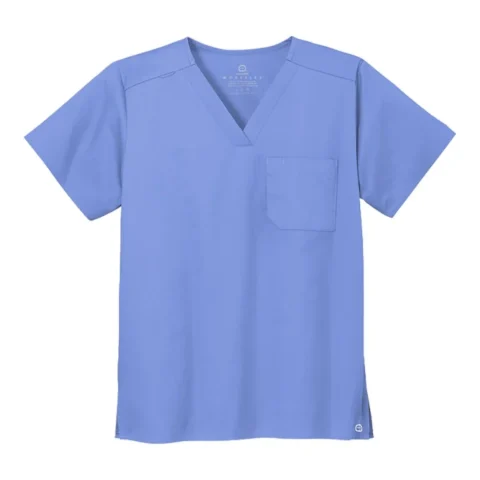
Ceil blue is a soft, calm blue that many people associate with a traditional clinical look. Light colors feel fresh and bright, but they show spills and marks more readily than dark ones, so they reward quick stain care. Our guide to ceil blue scrubs covers styling and care in more detail.
Black and charcoal
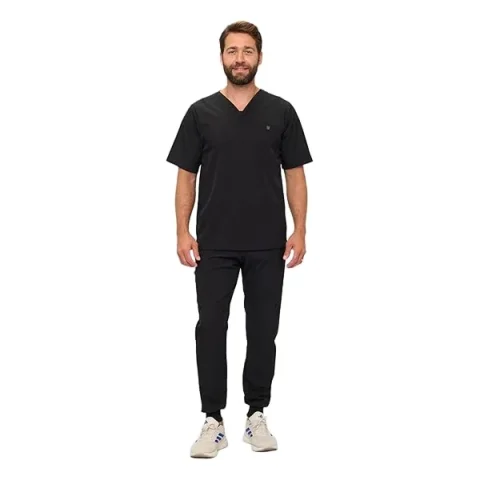
Black scrubs look sleek and modern and hide many everyday stains well. The trade-off is that dark fabric can show lint, pet hair and light-colored fibers, and very dark colors can look dull over time if they’re washed hot. See our black scrubs guide for tips on keeping them sharp.
Burgundy, teal, eggplant and other rich tones
Deeper jewel tones like burgundy, teal, hunter green and eggplant give you personality while still looking professional. Like other mid-to-dark shades, they tend to be forgiving during a busy day.
White
White looks crisp and is required in some roles and programs, but it shows everything. If you wear white, plan on a few extra sets and a dependable stain routine.
Bright shades: hot pink, coral and red
Brighter colors bring a cheerful, friendly feel and are a nice option where your dress code allows them. If your facility color-codes, double-check before ordering, since bright colors are sometimes reserved for specific teams.
Practical Factors to Weigh Before You Buy
Beyond looks, a few everyday details can make one color easier to live with than another:
- Stains and spills: darker and mid-tone colors are more forgiving; light colors and white need faster attention.
- Lint and hair: black and navy show light fibers, so keep a lint roller in your bag or locker.
- Matching pieces: two items with the same color name from different styles may not be an exact match. Buying a top and pants as a set, or checking pieces side by side in daylight, keeps your look consistent.
- Laundry: sorting darks and lights is easier if you stick to one or two color families.
- Restocking: a color that’s offered across several styles is easier to replace or expand later.
Scrub Colors You’ll Find at ABD Apparel
We stock solid colors across women’s, men’s and unisex styles, and each product page shows the exact shades available for that style. A few examples:
- The Women’s V-Neck Jogger Scrub Set – Premium Stretch comes in Black, Burgundy, Ceil Blue, Charcoal, Eggplant and Lavender.
- The Men’s Luxe Stretch Jogger Scrub Set comes in Black, Blue, Burgundy, Teal and White.
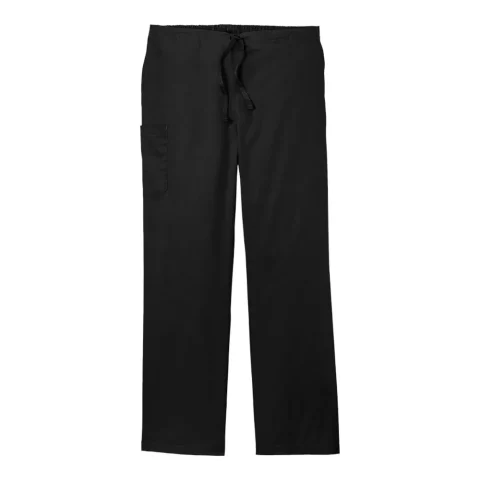
- The Wink WorkFlex Unisex Chest Pocket V-Neck Scrub Top and the Wink WorkFlex Unisex Cargo Scrub Pant share Ceil Blue, Navy, Royal Blue, Teal and White, so you can match a top and pants from the same line.
If you’re not sure where to start, browse the full scrubs collection and filter by the color your dress code calls for.
Keeping Your Colors Looking Good
Whatever shade you choose, how you wash it matters. Always follow the care label on your garment first. As general habits, wash scrubs with similar colors, turn darker pieces inside out, and skip bleach on anything that isn’t white. Our post on how to keep scrubs from fading walks through a simple routine.
Frequently Asked Questions
Is there a standard scrub color for nurses?
No. There is no universal color for nurses or any other role. Some facilities assign colors by job and others don’t, so check your employer’s dress code before you buy.
What scrub colors hide stains best?
Darker and mid-tone colors such as navy, black, charcoal and burgundy are generally more forgiving of everyday marks than light colors or white. Treating stains promptly and following the care label still matters for every shade.
Can I mix different colors for my top and pants?
Often yes, if your dress code allows it. Many people pair a colored top with neutral pants like black or navy, but some facilities require matching colors, so confirm with your manager first.
Once you know which colors your workplace allows, finding a set you love is the easy part. Browse by shade, compare styles, and reach out if you’d like help choosing. Every US order ships free.